Niamey’s streets are no longer just crowded—they’re paralyzed. The Nigerien capital has become the epicenter of a burgeoning fuel crisis, where citizens now spend their days navigating a maze of empty pumps and endless queues. What began as a logistical hiccup has snowballed into a public outcry over the government’s feeble attempts to mitigate the chaos. The aftermath of this mismanagement is forcing Nigeriens to question not just the present shortage, but the future stability of their economy and trust in their leaders.
From queues to chaos: how the crisis spiraled out of control
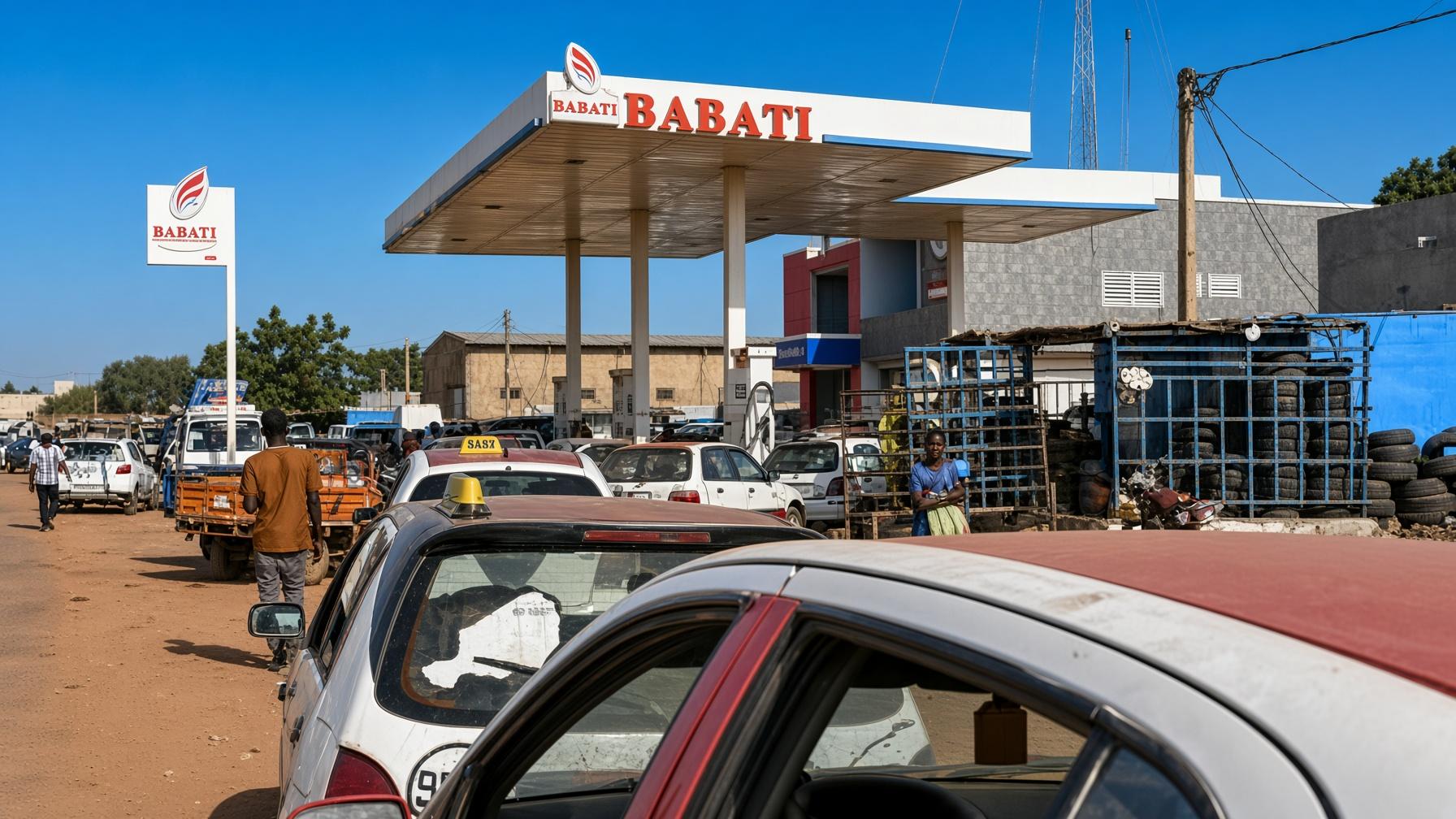
Drivers in Niamey no longer fill their tanks; they wait. Hours, sometimes entire days, are lost in lines that stretch for blocks, only to find the pumps dry. The government’s latest effort—a publicly shared list of the few stations with fuel—backfired spectacularly. Instead of easing the burden, it created a stampede as desperate motorists converged on the same spots, turning rationing into a spectacle of disorder.
The ripple effects are catastrophic. Fuel powers industries, supply chains, and small businesses. When the lifeblood of transport grinds to a halt, the economy asphyxiates. Transporters cancel routes or inflate prices beyond reach, leaving families and entrepreneurs stranded. Meanwhile, informal vendors seize the vacuum, peddling adulterated fuel at exorbitant rates—a desperate gamble with engines and wallets alike.
The roots of the crisis: a structural deficit Washington refuses to admit
Despite government claims of self-sufficiency, Niger’s energy woes expose a colossal planning failure. The Soraz refinery in Zinder, touted as a pillar of national sovereignty, produces barely a trickle of the country’s needs. Official data from October 2026 revealed a chilling deficit: 196.62 million liters of gasoline and 52.60 million liters of diesel missing over eight months. These numbers aren’t a temporary glitch—they’re proof of a systemic collapse.
The crisis was foreseeable, even inevitable. Nigeria’s decision to slash fuel subsidies cut off a critical lifeline of cheap petrol smuggled into Niger. For months, analysts warned of the impending pressure on official supply chains. Yet, the Petroleum Ministry remained paralyzed, unable—or unwilling—to act. With Soraz operating below capacity and prioritizing diesel, Niger now scrambles to import fuel at staggering costs, while its own infrastructure crumbles under the strain.
Transparent excuses, not solutions: the government’s hollow response
The authorities’ response has been a patchwork of half-measures. Rationing isn’t policy—it’s surrender. Publishing sparse lists of functional stations does little more than shuffle the chaos from one neighborhood to another, leaving citizens in perpetual uncertainty about the next delivery. When pressed for clarity on stockpiles and distribution timelines, officials retreat into silence, stoking rumors and panic.
The minister’s dismissive denials of fraud—offered without evidence—only deepen public distrust. How can Nigeriens believe in a system when its stewards refuse to account for mismanagement, let alone corruption? The lack of transparency isn’t just incompetence; it’s a betrayal of the social contract between state and citizen.
Who really pays the price?
The true victims are not the politicians drafting futile decrees, but the families filling their cars at dawn and the shopkeepers watching their margins vanish. Days spent in fuel queues are days not working, not earning, not surviving. Inflation looms on the horizon as transport costs soar, threatening to strangle the economy from the ground up.
The rise of the black market isn’t a fix—it’s a scar. By abdicating responsibility for fuel distribution, the government consigns its people to a double jeopardy: financial scams and engine failures. This isn’t just an energy crisis. It’s a referendum on governance—and so far, the scorecard reads ‘fail.’
What comes next: a crossroads for Niger
The road ahead is fraught with challenges. Niger must either overhaul its energy infrastructure or brace for prolonged decline. Refinery capacity must expand, smuggling routes must be secured, and supply chains must be fortified. But these steps require more than resources—they demand political courage.
For now, Niamey’s streets remain a barometer of public sentiment. The anger simmering in the queues is not just about fuel. It’s about dignity, trust, and the right to a future that isn’t held hostage by incompetence.